

Michele Rosko and Randy Taylor named LLSC’s Tricia Antonini First Connection Volunteers of the Year
Michele Rosko and Randy Taylor did not set out to become volunteers.
After Randy’s blood cancer diagnosis and bone marrow transplant, their focus was on getting through each day — treatment, recovery and everything that came with it. Volunteering came later, once they had the time and distance to reflect on what they had experienced.
Now, about six years into their volunteer work with The Leukemia & Lymphoma Society of Canada, the British Columbia-based couple is being recognized for their commitment to supporting others facing a blood cancer, receiving the Tricia Antonini First Connection Volunteer of the Year award. Named in honour of an early First Connection volunteer, the recognition reflects the same spirit of connection and support they now provide to others.
Both describe the recognition the same way: humbling.
“We know there are so many volunteers doing meaningful work,” Michele says. “So it’s surprising — but very humbling.”
Through First Connection, Michele and Randy are matched with people affected by a blood cancer — often couples navigating diagnosis, treatment and recovery together. Drawing on their own experience, they offer something that is difficult to replicate elsewhere: perspective grounded in lived experience.
Since joining the program, each has supported roughly a dozen people.
Finding purpose after diagnosis
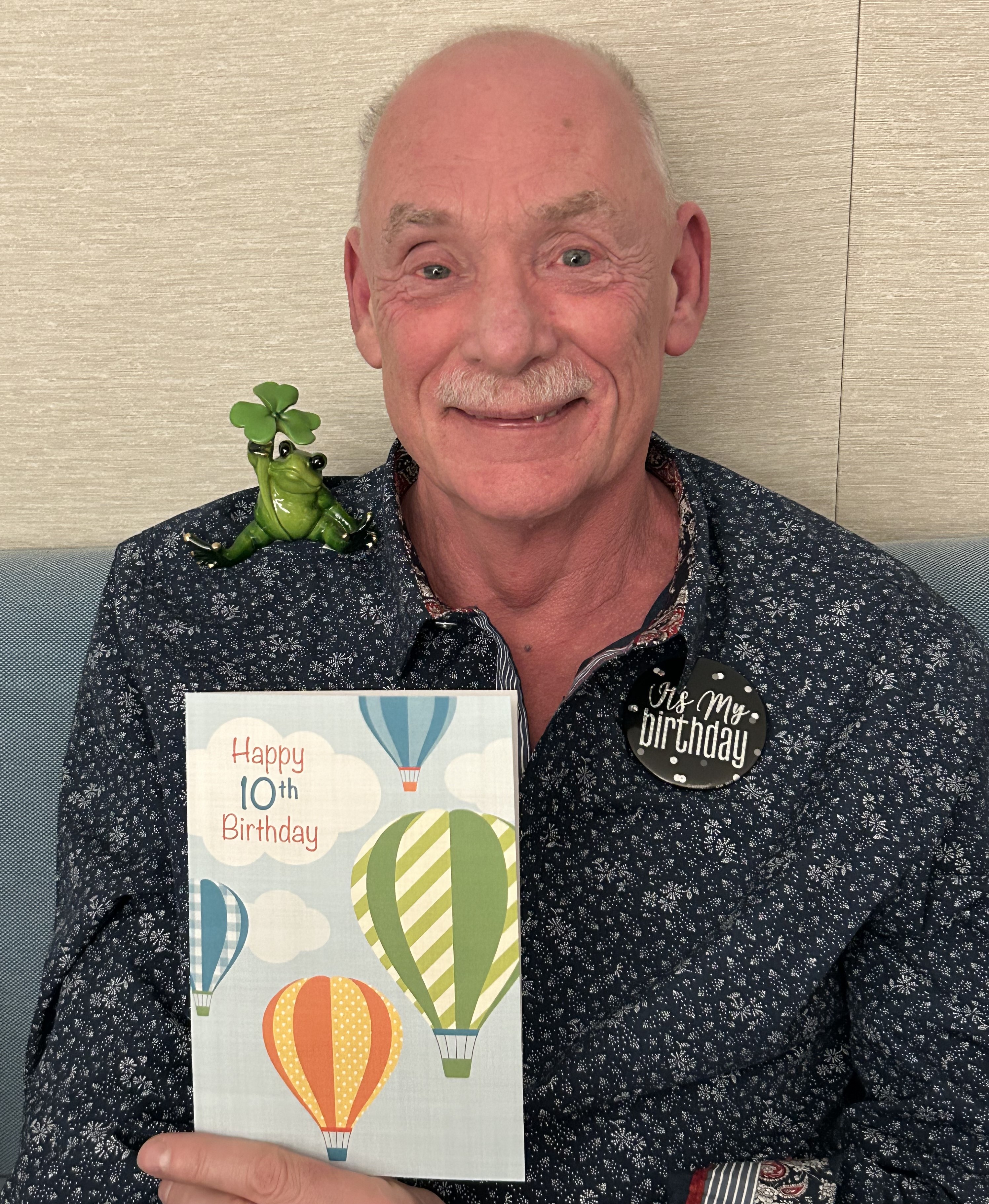
Their decision to volunteer was shaped not only by what they went through, but by what they didn’t have.
As a caregiver, Michele remembers how isolating the experience could feel — and how few spaces existed to speak openly about it.
“There is an enormous gap that the medical system can’t fill for caregivers,” she says. “The impact is different, but it is deeply life-changing.”
Caregivers, she explains, often carry fears they cannot share with their partner or family. They are managing uncertainty, responsibility and emotional strain — often quietly.
First Connection helps fill that gap by creating space for honest conversation, including feelings that can be difficult to express elsewhere: fear, anger, guilt and uncertainty.
For Michele, one moment continues to shape how she thinks about giving back.
When Randy’s stem cells arrived at the hospital, she asked if she could see them. What stayed with her wasn’t the physical object itself, but what it represented — a life-saving gift.
“I remember thinking there had to be a way to pay that back,” she says.
Years later, volunteering became one way to do exactly that.
The power of shared experience
For Randy, volunteering is rooted in connection.
As someone who has undergone a transplant, he understands how isolating the experience can be — physically and mentally. Being able to speak with someone who has faced something similar can help ease that sense of isolation.
“You want to help, but you don’t want to be prescriptive,” he says. “Everybody is different. But there are commonalities — and it helps people not feel totally solitary.”
Those connections can be especially meaningful when experiences closely align. In one recent match, Randy spoke with someone whose diagnosis mirrored his own — something that stood out given how rare his specific subtype of acute leukemia was.
“There was a bond there,” Randy says. “In unfortunate circumstances, but still there was something there.”
Support that goes beyond the system
Their volunteering has also reinforced a broader truth: some kinds of support cannot be replicated through clinical care alone.
While healthcare teams play a critical role, Michele says there are aspects of the experience — particularly for caregivers — that fall outside the system’s reach.
She also reflects on how language matters. Common phrases like “just stay positive” or “you’ve got this” may be well intentioned, but can feel dismissive to someone navigating the realities of illness.
What people often need instead is someone who understands — not to offer answers, but to listen and share honestly.
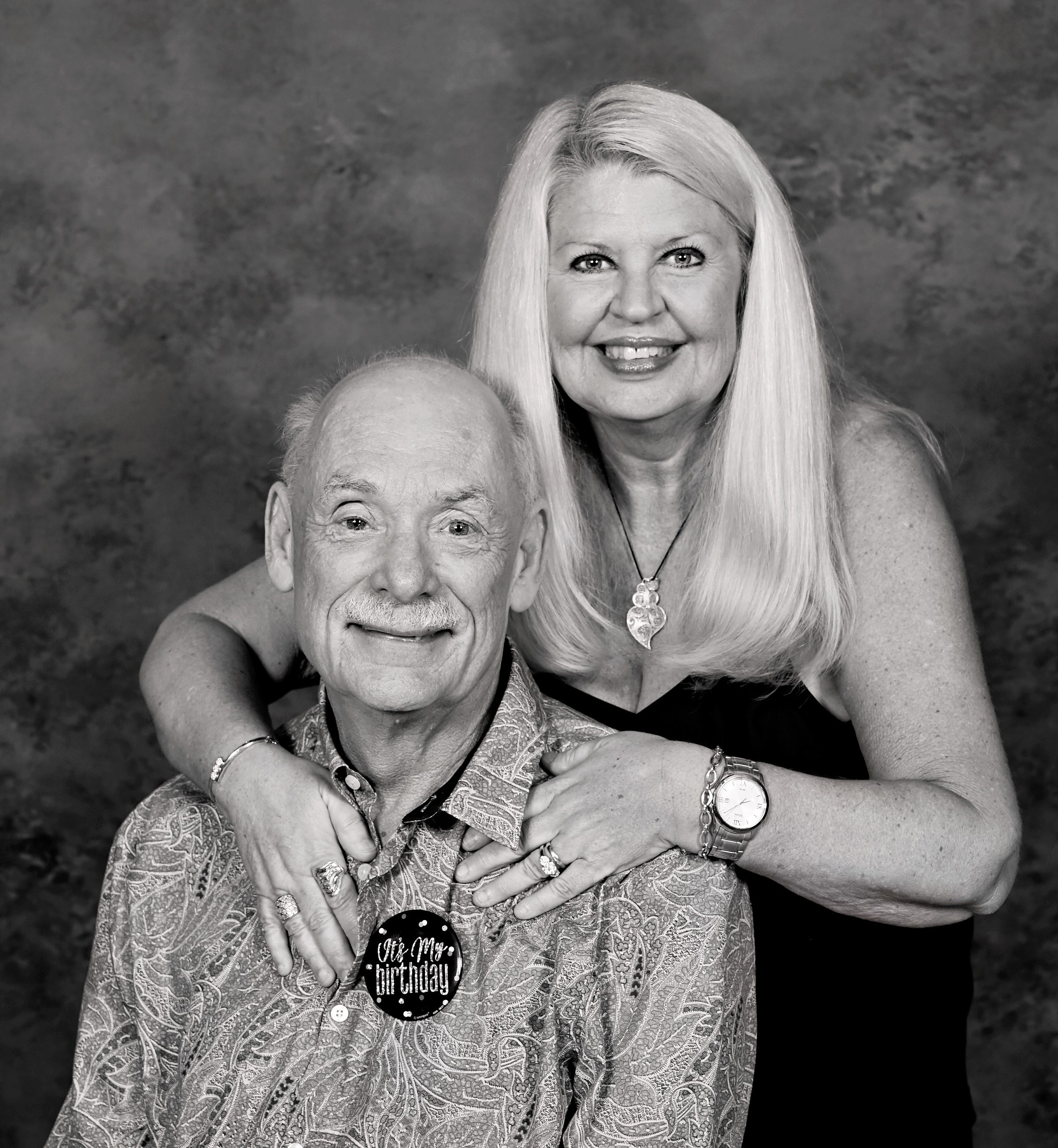
purpose in what they went through following Randy's blood cancer diagnosis.
A shared humanity
At its core, Michele and Randy’s experience has shaped how they see connection.
The bone marrow transplant that saved Randy’s life was made possible through the generosity of another person — an act that underscores how deeply people can impact one another.
For Michele, that moment represents something larger.
“It just shows that we are all connected,” she says. “It doesn’t matter your background, your age, your culture. There is a connection between people that only humans can provide.”
That belief continues to guide their volunteer work.
Moving forward, together
For both Michele and Randy, volunteering is not only about helping others — it is also a way of making meaning from what they experienced.
“It’s finding purpose in what we went through,” Michele adds.
For Randy, it is also a reminder of how far he has come. Hearing others at earlier stages of treatment brings perspective — and gratitude.
Together, they offer something simple but powerful: reassurance that no one has to face blood cancer alone.
It is that quiet, human connection — built one conversation at a time — that defines their impact.
LLSC thanks all its volunteers for their life-changing impact on the blood cancer community. We truly could not do this work without you.